
Explore Group Therapy
Small, therapist-led groups available online throughout Arizona.
EXPERIENCE belonging—not just talk about it.
What Makes Group Therapy Different?
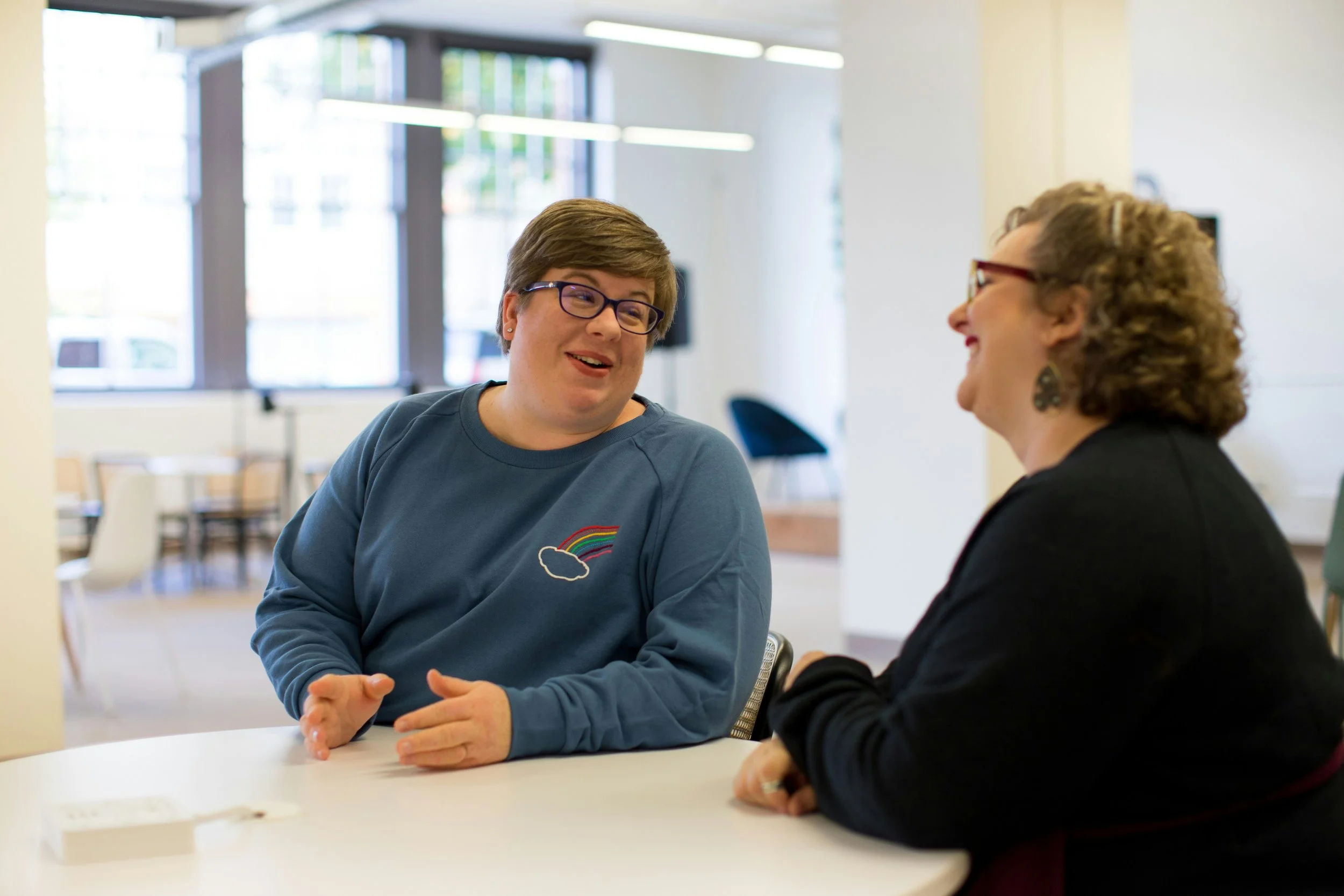
Individual therapy gives you focused attention from one person. Group therapy gives you something different: the opportunity to experience yourself in relationship with other people.
You don't have to arrive knowing exactly what to say or how to participate. My job is to provide enough structure and guidance for you to explore what happens, notice your patterns, and try something different at your own pace.
What Group is Like

Small group of about 5–6 adults, never more than 8
Weekly online meetings
Therapist-led and structured
Opportunities to talk, listen, reflect, and respond
You won't be forced to share before you're ready
Group therapy isn’t about performing or having the “right things to say”- it’s about showing up and discovering what happens when you’re met by others who actually “get” it.
It’s Normal to Have Some Reservations
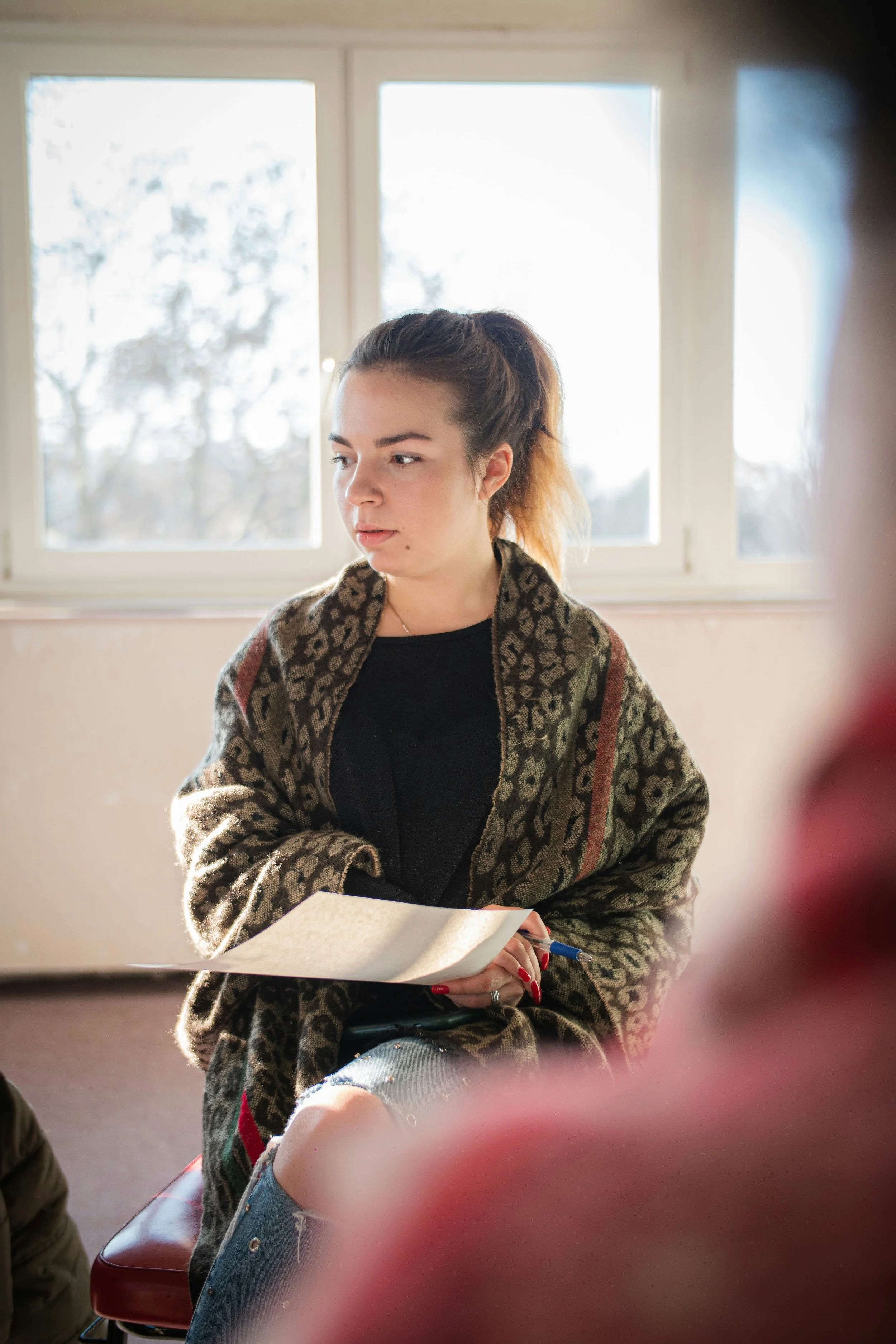
What if I don’t know what to say?
What if it’s awkward or I just feel weird?
What if I feel judged or don’t fit in?
What if I shut down or share too much and feel exposed?
What if this doesn’t work as well as individual therapy? Would I be I wasting my time?
You won't be expected to share before you're ready, and you won't be left to figure out the group dynamics on your own. I'll guide the conversation, help you find your place in the group, and make sure we're staying connected to the work.
Why I believe in Group Therapy
So much of what we struggle with happens in relationship—with ourselves and with other people.
We may judge ourselves for being too sensitive, too angry, too needy, too guarded, or too affected by something that “shouldn't” bother us. We may respond to other people's reactions by withdrawing, explaining, defending, or trying harder to be understood.
Group gives us an opportunity to notice those patterns as they happen—and to experience something different.
You might share something you're embarrassed about and discover that someone else understands. You might notice yourself becoming guarded and have the opportunity to slow down rather than shut down. You might practice responding to someone else with curiosity instead of judgment.
Those experiences can become more than something you understand intellectually. They can become something you know how to do.
How I Guide Our Group Space
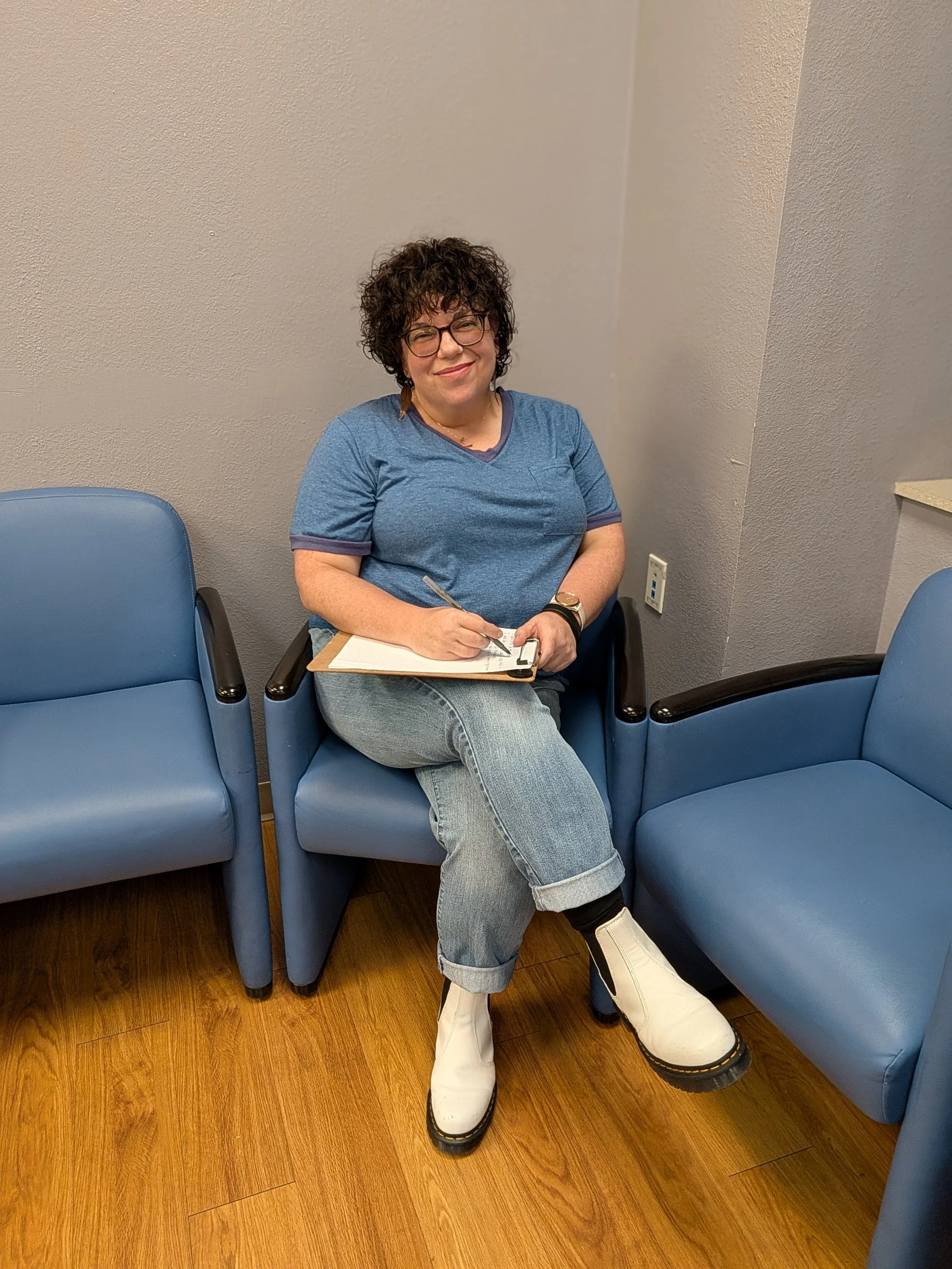
I won't simply sit back and let the conversation unfold. I'll listen closely, ask questions, offer observations, and bring in skills or education when they're useful.
I'll also pay attention to what's happening between group members—not just what's being said. If I notice a pattern, tension, hesitation, or opportunity for something different, I'll help the group slow down and explore it.
The goal isn't to make every session comfortable. It's to create enough safety and structure for you to be honest, curious, and willing to try something new.


Group might be a good fit if you:
Have done some individual therapy or self-reflection and want to practice new ways of relating to people.
Notice that you worry about how you're perceived, have trouble setting boundaries, or tend to take responsibility for other people's feelings.
Often feel too sensitive, too guarded, too reactive, or unsure how you come across.
Want meaningful connection but find relationships complicated or exhausting.
Are willing to participate in a six-session group and see what you can learn from the experience.